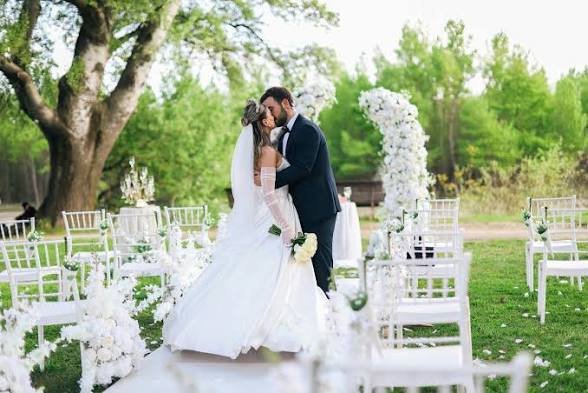
Trying to save for a wedding as a couple can feel difficult because wedding costs rarely stay fixed. As soon as you and your partner begin planning, expenses start extending beyond the original budget.
Things like vendor deposits, service fees, guest list increases, accommodation arrangements, beauty appointments, and last-minute changes can all add costs you may not have fully accounted for.
At that point, the challenge isn’t just saving money. It is keeping your spending aligned with your budget as new expenses arise throughout the planning process.
In this article, you’ll learn how to adequately save for your dream wedding without eating into your income.
Key Takeaways
- A realistic wedding budget helps couples avoid unnecessary debt and financial tension.
- When planning to save for a wedding as a couple, focus on priorities instead of pressure from social media or family expectations.
- Small financial changes, like reducing impulse spending and automating savings, can make a significant difference over time.
- Honest money conversations during wedding planning can strengthen your relationship before marriage.
Why Is It Difficult to Save for a Wedding?

Weddings are supposed to be joyful, but for many couples, the saving process feels surprisingly stressful and overwhelming.
Here are the biggest reasons why it often feels harder than expected:
1. Wedding Costs Add Up Faster Than Expected
When you first start planning your wedding, it’s easy to focus on the big-ticket items like the venue, outfits, catering, and photography.
But as planning progresses, you’ll likely discover a long list of smaller expenses that weren’t part of your original budget.
Vendor deposits, alterations, transportation, beauty appointments, wedding favours, additional décor, and last-minute changes can quickly add up.
On their own, these costs may not seem significant. Together, they can put a serious strain on your savings plan.
You may begin with a budget that feels realistic, only to find that the total cost keeps increasing as new decisions and expenses arise.
2. Social Media Creates Unrealistic Pressure
If you’ve spent time on Instagram, Pinterest, or TikTok, you’ve probably seen weddings that look absolutely flawless.
From luxury venues to elaborate décor and designer outfits, it’s easy to feel like your celebration should look just as impressive.
The problem is that social media often shows the highlight reel, not the financial reality behind it. Constantly comparing your plans to what you see online can make a perfectly meaningful wedding feel inadequate.
Before long, you and your partner may find yourselves considering upgrades and extras that weren’t originally important, simply because they seem expected.
3. Couples Often Avoid Money Conversations
Many couples find it easier to talk about wedding ideas than wedding budgets. As a result, important conversations about spending limits, priorities, and financial responsibilities are often postponed.
Without a clear agreement on costs, it becomes harder to make consistent decisions throughout the planning process. This can lead to overspending, budget adjustments, and additional pressure on your savings goal.
4. Many People Underestimate How Long Saving Takes
Many couples underestimate how long it takes to save for a wedding. What seems like a manageable amount at first can feel much larger when you’re balancing everyday expenses and other financial goals.
You may be saving for a home, paying off debt, building an emergency fund, or preparing for future plans at the same time. With so many demands on your income, wedding savings can sometimes feel like they’re moving too slowly.
That’s why having a clear timeline and realistic monthly savings target is so important. When you know exactly what you’re working toward, the process becomes less overwhelming and much easier to manage.
7 Tips on How to Save for a Wedding on a Budget

To save for a wedding as a couple simply means being intentional about where your money goes. That means the goal is to create a meaningful celebration without damaging your financial stability.
1. Create a Realistic Wedding Budget
Before booking vendors or shopping for decorations, sit down together and decide how much you can realistically afford.
Your budget should reflect your income, existing financial responsibilities, savings goals, wedding timeline, and any family contributions you may receive.
Once there’s a realistic budget, you both can make decisions with clarity instead of emotion.
2. Open a Separate Wedding Savings Account
In order to achieve your wedding savings goal, have a dedicated account specifically for wedding expenses.
It helps reduce impulsive spending and keeps you motivated and financially disciplined.
3. Automate Your Savings
Saving money is easier said than done, especially when daily expenses keep competing for attention. So to save for a wedding as a couple, automation is necessary.
Instead of saving only when you remember or when extra money appears, schedule automatic deposits into your wedding savings account immediately after payday.
Even if you’re automating $100 monthly, steady contributions can do more over time than irregular, larger deposits.
4. Reduce Your Guest List If You Plan to Save on Your Wedding

Your number of guests affects your overall wedding cost more than you may realize. This means that the larger your guest list, the more you will spend on food, drinks, seating arrangements, and even small details like invitations and souvenirs.
So, if you’re planning a budget-friendly wedding, you’ll need to reduce your guest list and be intentional about who you invite.
5. Prioritize What Actually Matters to You
Not every part of a wedding deserves the same level of spending. So, instead of trying to make every detail luxurious, decide together what you want to be most meaningful on the day and what you will actually care about long after the wedding is over.
For some couples, it may be photography. For others, it could be the food, the music, or the venue experience.
Once you agree on those priorities, spend more intentionally in those areas and keep other parts simple.
6. Cut Temporary Lifestyle Expenses
In order to save for a wedding as a couple, short-term adjustments, like reducing non-essential spending for a few months, are necessary.
Doing this can free up extra money for your wedding savings without making your daily life feel restricted.
Some temporary changes you can make include ordering takeout less often, cutting back on impulse shopping, cancelling unused subscriptions, or reducing expensive outings.
7. Avoid Depending Heavily on Debt
Personally, I believe that if achieving something would require going beyond my income or taking on debt, then it may be worth reconsidering.
So, if you’re trying to save for a wedding as a couple and your plan looks like you might need to take a loan, it’s important to sit down together, reassess your priorities, and restructure the plan.
This is necessary because using debt to finance a wedding can create long-term financial stress in your marriage. The pressure becomes even heavier when there is already existing debt on either side.
This can make it harder to build financial stability together. So, at all costs, avoid taking a loan to finance your wedding.
Final Thoughts
A wedding lasts one day, but financial decisions made during the planning stage can affect you as a couple for years.
When planning to save for a wedding as a couple, you shouldn’t solely focus on appearances or expectations. Your savings should reflect intentional choices that align with your shared financial reality and the life you are building together.
What truly matters isn’t the wedding itself but how prepared you are for the marriage that follows.
You Should Also Read:
- Budgeting as a Couple: Easy Steps to Manage Love and Money Together
- How to Discuss Money With Your Partner Without Fighting
- Important Money Questions to Ask Your Partner Before Marriage
- 8 Best Budgeting Apps for Couples
Frequently Asked Questions
1. How Much Should Couples Save for a Wedding?
The amount depends on your income, location, guest count, and priorities as a couple. The best wedding budget is one that allows you to celebrate comfortably without creating long-term financial stress.
2. Is it Better to Save for a Wedding or Take a Loan?
Saving is usually the safer option because it helps couples avoid starting marriage with unnecessary debt and interest repayments.
3. How Long Does It Take to Save for a Wedding?
Many couples save between one and two years before their wedding. The timeline depends on your budget, savings rate, and financial responsibilities.
4. Should Couples Combine Finances While Saving for a Wedding?
Some couples prefer combining part of their finances for wedding savings, while others contribute separately. What matters most is transparency and clear communication throughout the process.