
Talking about money before marriage is one of the smartest things you can do as a couple. Having this discussion helps to prevent frequent misunderstandings on how money is managed.
It also makes it easier for you both to be financially stable. In this post, I’ll go over the most important money questions to ask your partner before marriage and explain why each one matters.
Key Takeaways
- One of the most important money questions to ask your partner before marriage is about their current financial situation. Knowing where they stand financially makes it easier to support each other, make plans, and avoid surprises later on.
- Another important money question to ask your partner is about their spending habits. Understanding how they spend helps you spot differences early and avoid future misunderstandings.
- Don’t forget to find out your partner’s non-negotiables when it comes to money. Knowing their boundaries early helps you avoid crossing lines that could lead to resentment or conflict later.
11 Important Money Questions to Ask Your Partner Before Commitment
1. What is Your Current Financial Situation?
Before you decide to spend your life with someone, it’s important to know what their financial situation looks like. Ask about how much they earn and where their money comes from.
This helps you both understand what you can afford together. Then, talk about savings. Do they have money set aside for emergencies or the future? This shows if they plan ahead.
It is also good to ask about debts, such as loans or credit cards. Knowing what they owe and how they pay it back shows how responsible they are with money.
2. What are Your Financial Goals?

One of the most important money questions to ask your partner before commitment is about their financial goals. This isn’t just about money; it’s about understanding what your partner dreams of and what matters most to them.
Some people want to save for a house, others dream of traveling the world, and some need to pay off debt first. Everyone has their own priorities, and that’s okay.
The key is knowing each other’s goals so you can plan your life together without surprises or misunderstandings.
3. How Do You Handle Spending?
Money can be one of the biggest sources of stress in a relationship, but it can also reveal a lot about your partner’s values and priorities.
Some people naturally save every penny because they like feeling secure. Others find joy in spending on experiences or on things that make life enjoyable.
This is why asking about spending is such an important money question to ask your partner before commitment. It’s not about judging or controlling each other; it’s about understanding how you will navigate money together in everyday life.
4. How Do You Handle Debt?
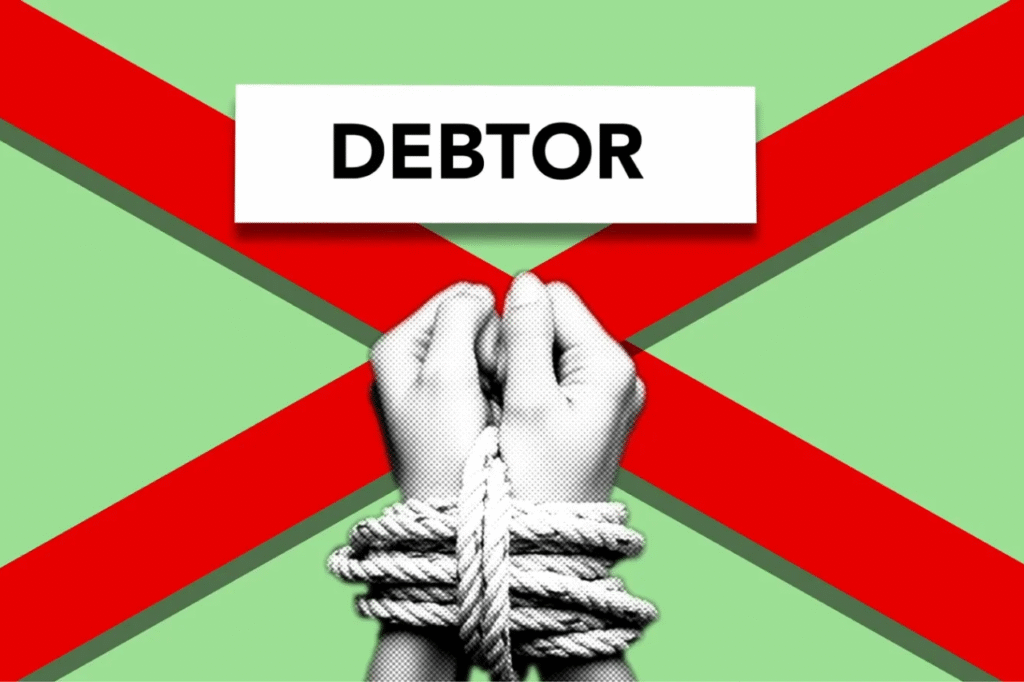
Debt is normal, but hiding it is dangerous. Your partner should be honest about any loans or credit card balances.
You can start by asking in a calm, open way, such as, “Do you currently have any loans or debts you’re paying off?” This gives them space to be honest without feeling judged.
If they do, listen to how they talk about it. Are they open about it? Do they have a clear plan to pay it off? Or do they avoid talking about it completely?
Their response helps you understand their mindset. Also, someone who acknowledges their obligations and is actively working on them shows responsibility.
5. How Should We Manage Our Finances Together?
Couples handle money differently. Some use joint accounts, while others prefer separate accounts. Some use a mix of both.
With these different methods available, you’ll need to find out what works best for both of you. Knowing this before marriage helps you decide how to split bills and manage daily expenses.
6. What is Your Approach to Saving and Investing?
People handle saving and investing differently. Some people feel calm when they have money saved where they can see it. Others are comfortable putting money into investments and letting it grow over time.
This question helps you understand what makes your partner feel financially safe. Do they prefer to save first before spending, or do they believe in investing early and often? Are they cautious with money, or more comfortable taking risks?
Before marriage, these matters are important because they affect how you plan together. If one person wants a strong savings cushion while the other wants to invest aggressively, that difference can cause stress later if it’s never discussed.
7. How Do You Plan for Family Support?

Family responsibilities don’t disappear after marriage. In some families, supporting parents, siblings, or relatives financially is expected. In others, clear boundaries are the norm.
This is one of the most important money questions to ask your partner before marriage because it affects your future budget, savings, and peace of mind. You need to understand whether your partner plans to help the family regularly, only in emergencies, or not at all.
Talking about this early helps you avoid surprises later. It also gives you both a chance to agree on limits, priorities, and a reasonable level of support for your household.
8. What Are Your Money Non-negotiables?
Ask your partner what things around money they just can’t compromise on. Maybe taking out loans is off-limits, or spending on certain things feels stressful. Maybe there are family obligations they feel strongly about, or habits they just can’t accept.
Knowing these boundaries early helps you both respect each other’s limits and prevents arguments or resentment later.
9. How Do You Prepare for Emergencies?

Life can throw surprises at any moment, and money emergencies can be stressful if you’re not prepared.
Ask your partner whether they have an emergency fund and how they would handle unexpected expenses such as medical bills, car repairs, or sudden changes in income.
You can also explore how they prioritize these situations. Do they prefer to use savings first, rely on credit, or cut back on other expenses? Talking through these scenarios helps you both understand each other’s approach to risk and planning.
10. What is Your Long-term Vision for Money?
It’s easy to get caught up in day-to-day spending, but how your partner thinks about the future matters a lot. Ask about things like retirement, buying a home, investing, or how they want to provide for kids. Knowing their plans helps you see whether your goals align and gives you both a clearer idea of how to move forward together.
11. Would We Sign a Prenuptial Agreement?
Talking about a prenup can feel uncomfortable. Honestly, having that discussion isn’t a prediction of failure. A prenup is just a way to prevent future surprises and protect each other.
It also helps ensure that, if life throws unexpected challenges your way, you can face them together without resentment or lingering conflict. As one of the important money questions to ask your partner before marriage, this is a chance to understand how your partner views fairness, security, and financial responsibility.
Ask how they feel about it, what they value most, and what truly bothers them when it comes to money. These answers often reveal more than the agreement itself.
Conclusion on Important Money Questions to Ask Your Partner
Marriage is a long-term commitment, and it isn’t something you should let money habits ruin. However, couples who talk about money openly are better prepared for life together.
So, it’s important to ask these money questions before marriage to build trust and avoid conflicts. Do well to take time to discuss these questions, make plans, and set goals.
If You Enjoyed Reading this Blog, You May Also Like:
- The 70/20/10 Rule of Money Explained
- What is the 50/30/20 Budgeting Rule?
- Couples Financial Planning: A Guide to Achieving Goals Together
- Intelligent Ways to Talk to Your Partner About Finances Without Fighting
Frequently Asked Questions
1. What is the 70/20/10 Rule of Money?
The 70/20/10 rule suggests allocating 70% of your income to living expenses, 20% to savings or investments, and 10% to debt repayment or giving. It’s a simple way to balance spending, saving, and long-term goals.
2. What is the 50/30/20 Rule?
Under the 50/30/20 rule, 50% goes to needs, 30% to wants, and 20% to savings or debt repayment. It helps you cover essentials, enjoy life, and still plan for the future.
3. Can I Retire at 70 With $400,000?
Yes, it’s possible, but it depends on your lifestyle, expenses, and other income, such as pensions or Social Security. For many people, $400,000 works best when combined with steady retirement income and modest spending.
4. How Long Does it Take to Go From 700 to 750 Credit Score?
It can take a few months to a year, depending on your habits. Paying bills on time, keeping balances low, and avoiding new debt can speed things up.